 Fukunda
Micronutrients and Health: Vitamins, Minerals, and Essential Elements
Understanding the role of micronutrients in bodily functions, food sources, and approaches to ensuring adequate intake.

Introduction to Micronutrients
Micronutrients—vitamins and minerals—are essential substances required in small quantities for normal growth, development, and disease prevention. Despite being needed in smaller amounts than macronutrients, micronutrients are absolutely essential for health. Deficiencies can result in significant health consequences.
While this article provides educational information about micronutrients, individual needs vary, and assessment of nutritional status should involve qualified professionals when concerns arise.
Vitamins: Essential Organic Compounds
Vitamins are organic compounds produced by plants or animals that are essential for various bodily functions. They are categorized as water-soluble (B vitamins and vitamin C) or fat-soluble (vitamins A, D, E, and K). Each vitamin plays distinct roles in health.
Water-Soluble Vitamins
Water-soluble vitamins are not stored in the body in significant quantities and must be consumed regularly. B vitamins (thiamine, riboflavin, niacin, B6, B12, folate, pantothenic acid, and biotin) play crucial roles in energy metabolism, nerve function, and cell division. Vitamin C supports immune function, collagen formation, and acts as an antioxidant. Sources include whole grains, legumes, vegetables, fruits, and animal products.
Fat-Soluble Vitamins
Fat-soluble vitamins are stored in body fat and liver tissue. Vitamin A supports vision, immune function, and cell differentiation. Vitamin D regulates calcium absorption and bone health and plays roles in immune function and cellular regulation. Vitamin E functions as an antioxidant, and vitamin K is essential for blood clotting and bone metabolism. Sources include vegetables (particularly dark leafy greens), animal products, nuts, seeds, and fatty fish.
Key Point: Vitamins from food sources often come packaged with other nutrients, fiber, and phytonutrients that work synergistically. This is why food-based approaches to micronutrient intake are typically preferred to isolated supplementation, though supplementation may be appropriate in specific circumstances.
Minerals: Essential Inorganic Elements
Minerals are inorganic elements required for various bodily processes including bone formation, nerve transmission, muscle contraction, and enzyme function.
Macrominerals
Minerals needed in larger quantities include calcium (bone health, muscle contraction), phosphorus (bone formation, energy metabolism), magnesium (enzyme function, muscle and nerve function), sodium (fluid balance, nerve transmission), potassium (fluid balance, heart function), and chloride (fluid balance). Sources are diverse and include dairy products, vegetables, fruits, legumes, nuts, and whole grains.
Trace Minerals
Minerals needed in smaller quantities include iron (oxygen transport in blood), zinc (immune function, wound healing, protein synthesis), copper (energy metabolism, immune function), manganese (bone formation, metabolism), selenium (antioxidant function), iodine (thyroid hormone production), and chromium (glucose metabolism). Sources vary but include animal products, whole grains, vegetables, nuts, and seeds.
Common Micronutrient Deficiencies
Iron Deficiency
Iron deficiency is among the most common micronutrient deficiencies globally, particularly affecting women of reproductive age. Iron comes in two forms—heme iron from animal sources (more readily absorbed) and non-heme iron from plant sources (less readily absorbed). Vitamin C enhances non-heme iron absorption, which is why combining plant iron sources with vitamin C-rich foods is beneficial.
Vitamin D Deficiency
Vitamin D deficiency is common in populations with limited sun exposure or dietary sources. The body produces vitamin D through sunlight exposure, and few foods naturally contain significant quantities. This is one micronutrient where supplementation or fortified foods may be necessary for adequate intake.
B12 Deficiency
Vitamin B12 is found primarily in animal products, making it a consideration for individuals following vegan diets. B12 is necessary for nerve function and red blood cell formation, and deficiency can result in serious neurological consequences if untreated. Supplementation or consumption of fortified plant-based foods is necessary for vegan individuals.
Iodine Deficiency
Iodine deficiency can impair thyroid function and development. In many countries, iodized salt has effectively prevented iodine deficiency, though this remains a public health concern in some regions. Iodine is found in seafood, seaweed, and dairy products.
Food-Based Approach to Micronutrients
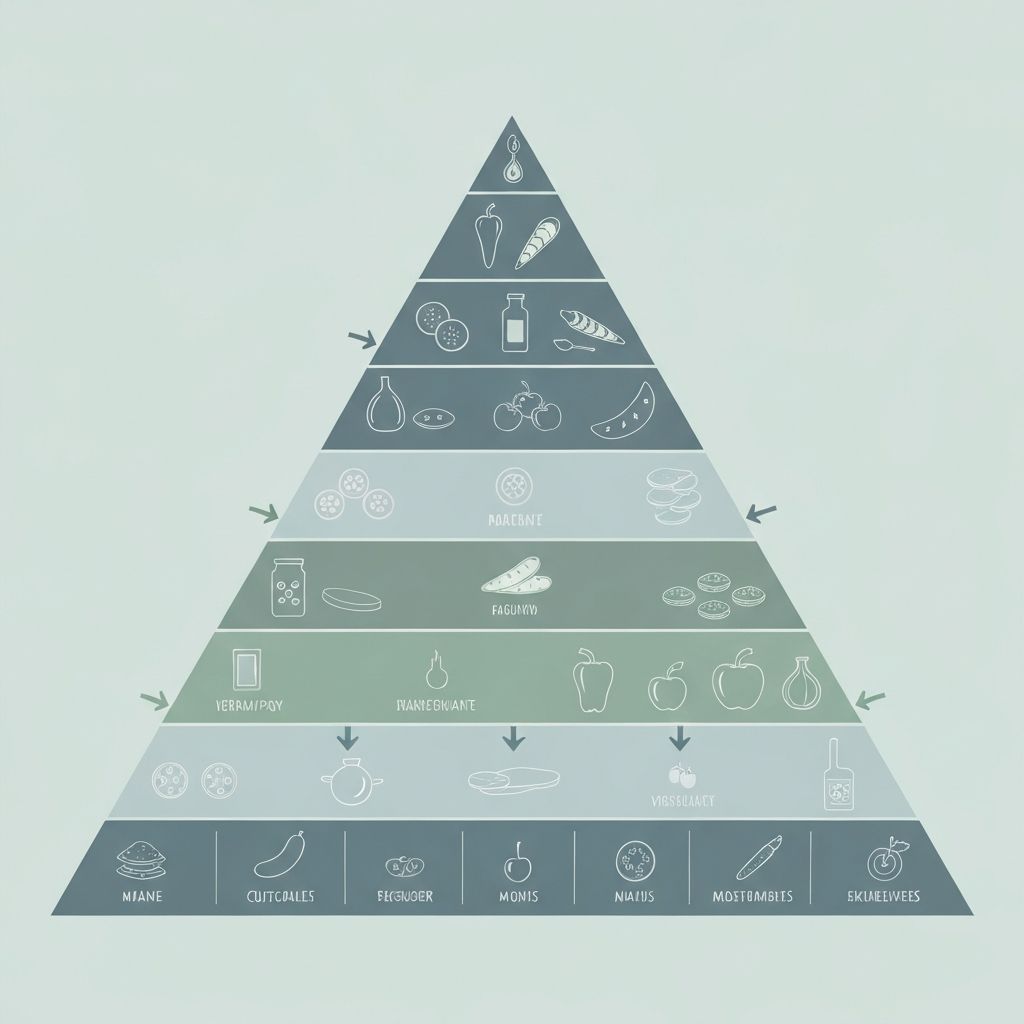
A varied diet emphasizing whole, minimally processed foods naturally provides a spectrum of micronutrients. Different colors of fruits and vegetables provide different micronutrients and beneficial plant compounds. Whole grains provide B vitamins and minerals. Legumes provide iron, zinc, and magnesium. Animal products provide highly bioavailable forms of B12, iron, and other nutrients. Nuts and seeds provide minerals and fat-soluble vitamins.
This food-based approach is preferred because:
- Micronutrients are provided alongside complementary nutrients that enhance absorption
- Foods contain countless beneficial compounds beyond isolated micronutrients
- Whole foods provide fiber and other health-supporting components
- Food-based approaches support sustainable eating patterns
Supplementation Considerations
While food-based approaches are preferred, supplementation may be appropriate in specific situations—pregnancy, certain medical conditions, restrictive diets, or specific deficiency states identified through testing. However, supplementation is not a substitute for adequate nutrition and can in some cases be unnecessary or inappropriate.
Bioavailability and Nutrient Interactions
Micronutrient bioavailability—the proportion of consumed micronutrient that is absorbed and utilized—varies based on food source, food combinations, and individual factors. For example, fat-soluble vitamins require dietary fat for absorption, calcium and magnesium are better absorbed with vitamin D, and iron absorption is enhanced by vitamin C but inhibited by certain compounds found in tea and coffee. These interactions highlight why varied, whole-food-based diets are beneficial.
Individual Variation
Micronutrient needs vary based on age, sex, health status, medications, and other factors. Some individuals have specific needs due to dietary restrictions, medical conditions, or genetic factors. Assessment of individual micronutrient status through appropriate testing, when indicated, helps guide supplementation decisions.
Conclusion
Micronutrients are absolutely essential for health despite being needed in small quantities. A varied diet emphasizing whole, minimally processed foods naturally provides adequate micronutrients for most people. While supplementation may be appropriate in specific situations, food-based approaches remain preferable because they provide micronutrients alongside other beneficial compounds and support sustainable eating patterns. Individual micronutrient needs vary and may benefit from professional assessment when concerns arise.
Educational Note: This article provides informational content about micronutrients. Assessment of individual micronutrient status and supplementation recommendations should be made in consultation with qualified healthcare professionals.
Information Disclaimer
The content in this article is presented for educational and informational purposes only. It is not intended as medical advice or personalized recommendations. Micronutrient needs are individual and benefit from professional assessment when appropriate.